
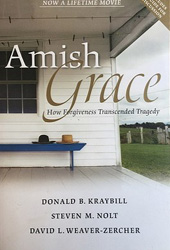
Amish grace: how forgiveness transcended tragedy
by Donald B. Kraybill, Steven M. Nolt, David L. Weaver-Zercher.
San Francisco, CA., Jossey-Boss, 2007.
The crime—shooting innocent schoolchildren in a one-room schoolhouse—was shockingly vicious. More shocking, virtually incredible, was where it happened, in the heart of Pennsylvania’s Amish country, commonly associated with bucolic tranquility, not gun violence. This remarkable book explains, exceedingly well, Amish reaction to the horrific Nickel Mines shootings. The outside world was gravely taken aback by the Amish response of forgiveness. Some in the media criticized the Amish as naive and hypocritical (didn’t they shun members of their own community?), but most simply couldn’t understand the Amish concept of forgiveness as unmerited gift. How could they forgive humanly embodied evil? The authors, all authorities on Amish culture, emphasize that the Amish response reflected the sect’s heritage and deeply embedded faith. They distinguish forgiveness from pardon and reconciliation. Forgiveness relinquishes the right to vengeance, while pardon forfeits punishment altogether, and reconciliation restores the relationship of victim and offender or creates a new one. They discuss the shooting mercifully straightforwardly before exploring the broader perspectives of forgiveness and concluding with reflections on the meaning of forgiveness. At times difficult to read, this anguished and devastating account of a national tragedy and a hopeful, life-affirming lesson in how to live is itself a marvel of grace. Review from Booklist.

